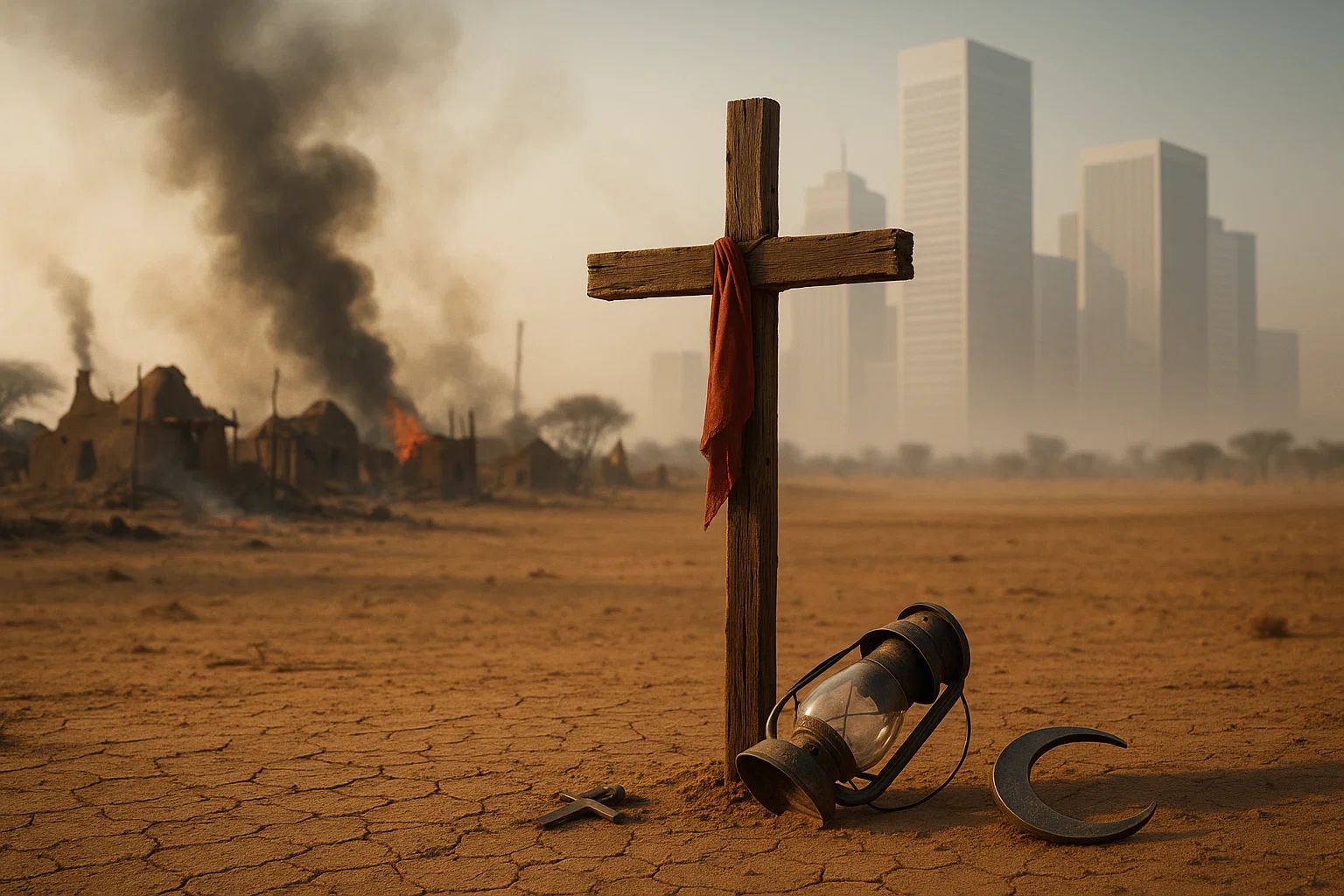
Persecution of Christians in Africa appears in the media less often than the scale of violence would suggest. Some openly claim this is the result of self-censorship – fear of accusations of “Islamophobia” and reluctance to address subjects uncomfortable for global organizations. Others argue that editorial teams simply follow what drives clicks, and African conflicts fail to break through to mass awareness. There are also theories online that silencing these crimes is part of a broader political strategy. Is someone really covering up the tragedy of thousands, or is it just a result of media priorities? Vote and decide whom you believe.
Category: Media
The “Media” category features polls related to culture, arts and the media landscape. Topics include film, music, literature, visual arts, traditional media and social platforms, as well as the role of culture in public debate. The surveys reflect how users assess current trends, artists and the impact of media on society and public opinion.
-
Do modern media deliberately weaken the image of men and family values?
-
Should politicians take part in closed-door meetings of the Bilderberg Group?
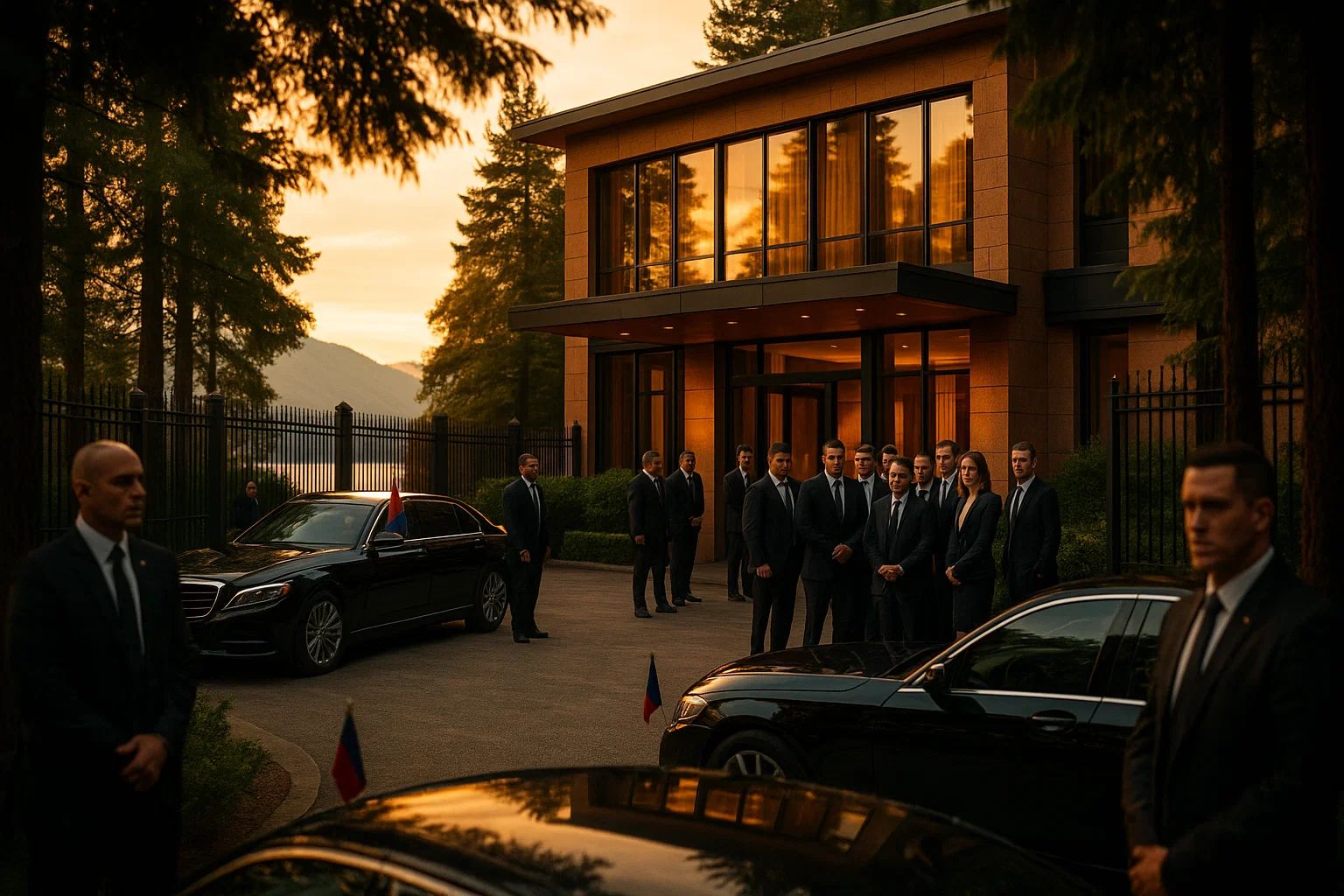
For decades, the Bilderberg Group has stirred emotions – some see it as an exclusive club of elites discussing the future of the world, others – as a secret center of power above nations. The meetings take place behind closed doors, without media or official records, which only fuels suspicions of backroom deals. Supporters claim it is a forum for free exchange of ideas, while critics argue it’s where bankers and politicians decide global economic and social strategies. The Internet is full of theories linking Bilderberg to the New World Order or global political control. Is it an innocent debate of elites, or the real command center steering the world from behind the scenes?
-
Halloween – fun, trend or spiritual threat?
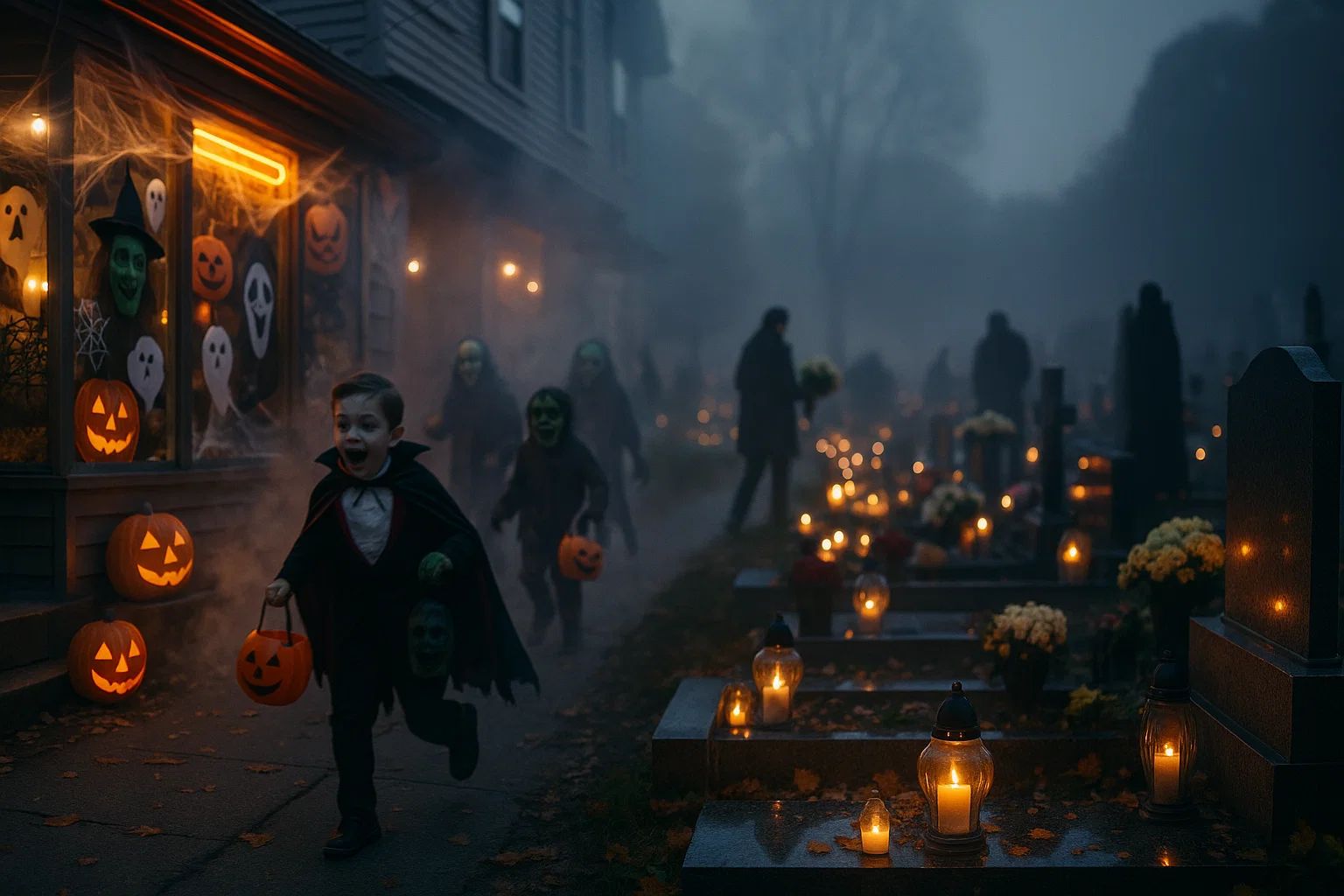
More and more people outside the USA are wondering what Halloween really is – an innocent game or a spiritual danger. Some see it merely as a colorful American trend that gives children and adults a chance to dress up, eat sweets, and have fun together. Others claim it’s a dangerous phenomenon that gradually replaces local traditions, turning reflection on death into a grotesque festivity. Online, there are even theories that Halloween isn’t just an imported custom but a part of global spiritual manipulation – a subtle normalization of occultism and dark symbolism. So when we celebrate Halloween, are we truly just having fun, or are we letting foreign patterns slowly replace our roots?
-
Acceleration of Time and the Schumann Resonance
-
The Mandela Effect